

.png)



Down on the Marsh: How Wisconsin Cranberries are Grown

Each fall, Wisconsin's cranberry marshes become a sea of vibrant red, creating one of the state's most recognizable harvest scenes.
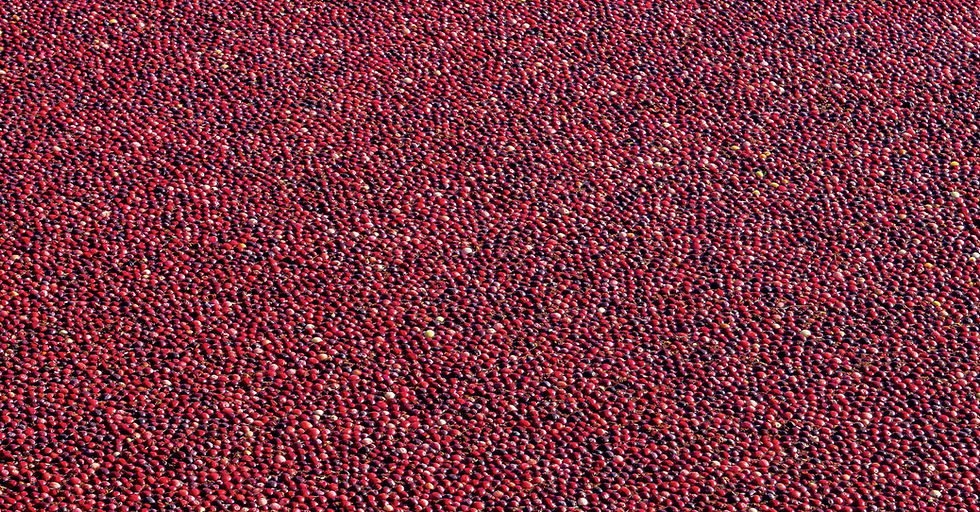
According to the Wisconsin State Cranberry Growers Association, Wisconsin produces more than 60% of the nation's cranberries, making it the country's leading cranberry-producing state. While many people have seen photos of floating cranberries, the growing process is often misunderstood.
They Don't Actually Grow in Water
One of the biggest misconceptions about cranberries is that they grow underwater. They don't.
Cranberries are perennial vines that grow in sandy, acidic soil within specially designed marshes. The water seen in famous harvest photos is used during harvest, not for growing the berries. Throughout the year, growers carefully manage water levels to protect the plants and support healthy production, according to the University of Wisconsin–Madison Cranberry Program.
Spring and Summer Growth
As temperatures warm in spring, cranberry vines emerge from their winter dormancy. Growers drain the protective winter flood and closely monitor the plants for frost. On cold nights, sprinklers may coat the vines in a thin layer of ice, which actually helps protect delicate flower buds from freezing.
By early summer, small pink blossoms appear, and pollination begins. Honeybees and native bees play a critical role in helping the flowers produce fruit. Throughout the growing season, farmers continue monitoring irrigation, pests, and plant health while the berries slowly mature.
Why the Harvest Floats
By late summer, cranberries begin turning from green to shades of pink before reaching their familiar deep red color.
Unlike many fruits, cranberries contain tiny air pockets inside each berry. According to the Wisconsin State Cranberry Growers Association, these air pockets allow ripe cranberries to float, making harvesting much more efficient.
To harvest, growers flood the marsh with several inches of water.
Specialized equipment gently loosens the berries from the vines, allowing them to rise to the surface. Floating booms gather the berries together before they are pumped onto trucks for cleaning and processing into juice, dried cranberries, sauces, and other products.
Not every cranberry is harvested this way. Fresh cranberries sold in grocery stores are often dry harvested using equipment that gently removes the berries without flooding the marsh, helping them stay firm for storage and shipping.
Preparing for Winter
After harvest, the work isn't over. As winter approaches, growers flood the marshes again. Once the water freezes, it forms a protective layer of ice that insulates the vines from harsh temperatures and drying winter winds. When spring arrives, the water is drained, and the growing cycle begins again.
It's a year-round process that combines careful stewardship, modern farming practices, and generations of agricultural knowledge. As PBS Wisconsin notes, while the flooded harvest has become an iconic image, it's only one chapter in a much longer story of growing one of Wisconsin's signature crops.
Did You Know?
Wisconsin grows more than 60% of the cranberries produced in the United States.
Wisconsin State Cranberry Growers Association
Cranberries are one of only a few fruits native to North America.
University of Wisconsin–Madison Cranberry Program
The name "cranberry" comes from early settlers, who thought the flower resembled the head and neck of a sandhill crane.
Wisconsin State Cranberry Growers Association
Fresh cranberries bounce because of the small air pockets inside the fruit.
University of Wisconsin–Madison Cranberry Program
Wisconsin’s state fruit was named the cranberry on April 5, 2004.
Wisconsin State Cranberry Growers Association
Experience Wisconsin Cranberries for Yourself!
Reading about cranberry harvest is one thing,but seeing it in person is something you'll never forget. During harvest season, several Wisconsin cranberry growers open their marshes for guided tours, offering visitors a chance to watch the harvest up close, learn directly from growers, and experience one of the state's most iconic agricultural traditions.
The Wisconsin State Cranberry Growers Association maintains a directory of cranberry marsh tours and visitor experiences across the state. Visit wiscran.org to find participating marshes and start planning your own cranberry adventure.
If you're looking for even more seasonal fun, be sure to check out Warrens Cranberry Festival, Sepember 25-27, 2026 where you can celebrate Wisconsin's cranberry harvest with family-friendly activities, local vendors, delicious food, and plenty of fall fun. It's another wonderful way to experience one of Wisconsin's favorite traditions while making lasting memories together. For more information, visit cranfest.com
This article was compiled using educational resources from the Wisconsin State Cranberry Growers Association, the University of Wisconsin–Madison Cranberry Program, and PBS Wisconsin.
Interested in seeing a cranberry harvest for yourself? Visit wiscran.org to find cranberry marsh tours and visitor experiences throughout Wisconsin.


